We use cookies on this site to enhance your experience.
By selecting “Accept” and continuing to use this website, you consent to the use of cookies.
By The Laurier Institute for Water Science (LIWS) | July 4, 2026
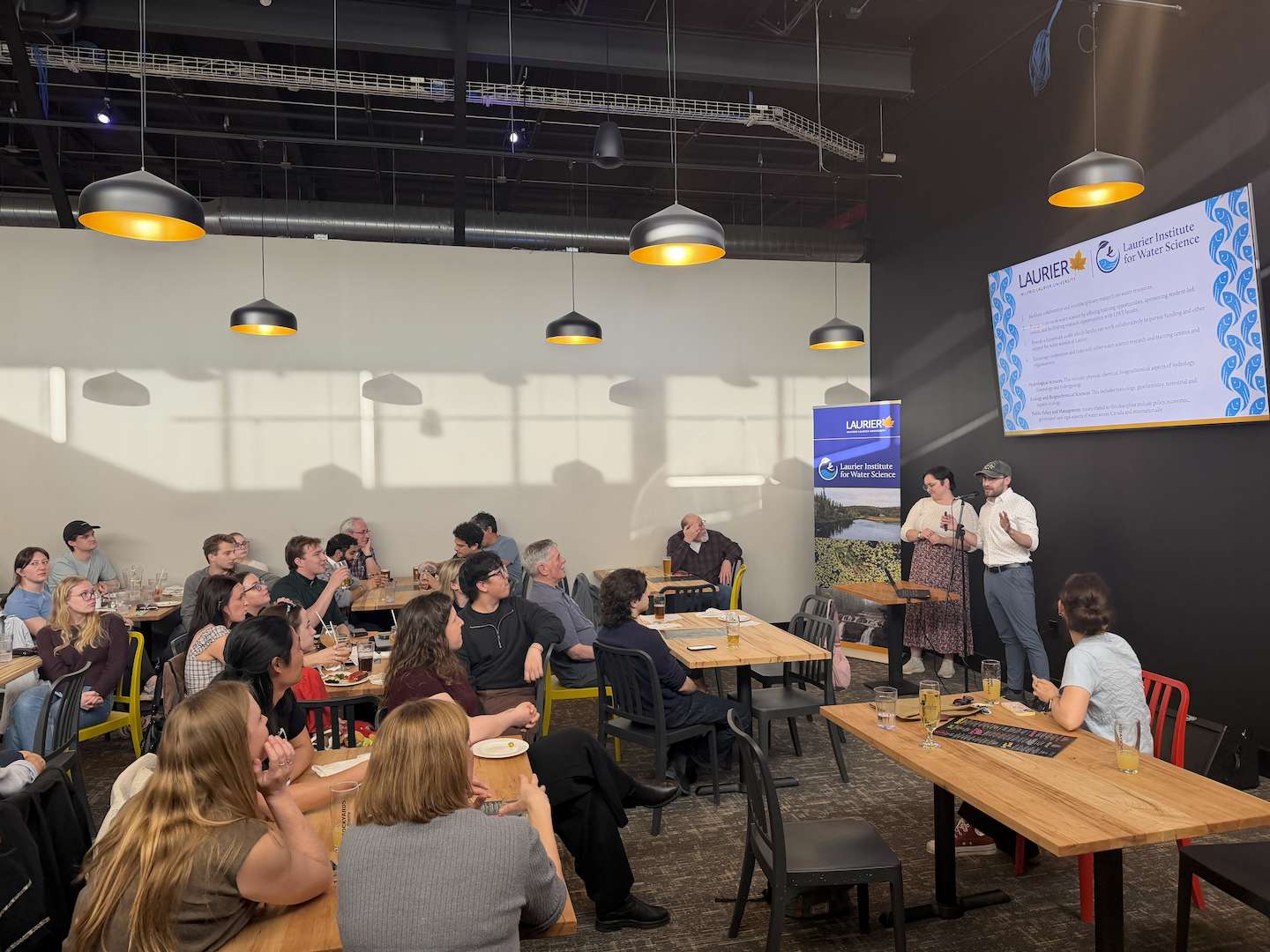
Print | PDFIn April, the Laurier Institute for Water Science launched the inaugural Ideas in Fish Science: Experts Meeting, a dynamic event dedicated to advancing research and innovation in fish physiology, toxicology, ecology and conservation. Host and organizer Andrew Thompson, a postdoctoral fellow in environmental toxicology at Wilfrid Laurier University, brought leading researchers and experts to Laurier for two days of sharing emerging ideas and learning cutting-edge methods and technical approaches.
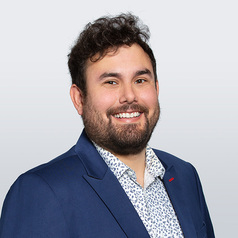 "When I envisioned this meeting, I wanted to create a different platform for researchers to share their experience.
By bringing together these amazing scientists from England and other universities in Ontario, we only create more opportunities to advance research and highlight the incredible work being conducted here at Laurier."
- Andrew Thompson, postdoctoral fellow
The meeting was opened by Jonathan Newman, Laurier’s vice-president: research, who highlighted the importance of events that advance science through collaboration.
“The most productive collaborations bring together different perspectives, different methods, and often different institutional and national contexts,” said Newman. “They challenge our assumptions, sharpen our questions, and open up possibilities that would not emerge if we worked in isolation.”
Newman welcomed guests from the University of Exeter, a prominent research university in the United Kingdom. Thompson had previously visited the Exeter campus through a Journal of Experimental Biology Travelling Fellowship, where he presented his research and met with researchers in the university's aquaculture program. The experience inspired Thompson to create a similar opportunity for collaboration and knowledge exchange here at Laurier.
“Bringing together researchers from Laurier and the University of Exeter is not just about sharing results – it's about building relationships,” said Newman. “It’s about discovering where interests align, where approaches differ and where there is potential to do something new together. And, importantly, it's about creating the conditions for those conversations to continue beyond today.”
The first session featured three speakers from the University of Exeter showcasing their groundbreaking approaches to fish science:
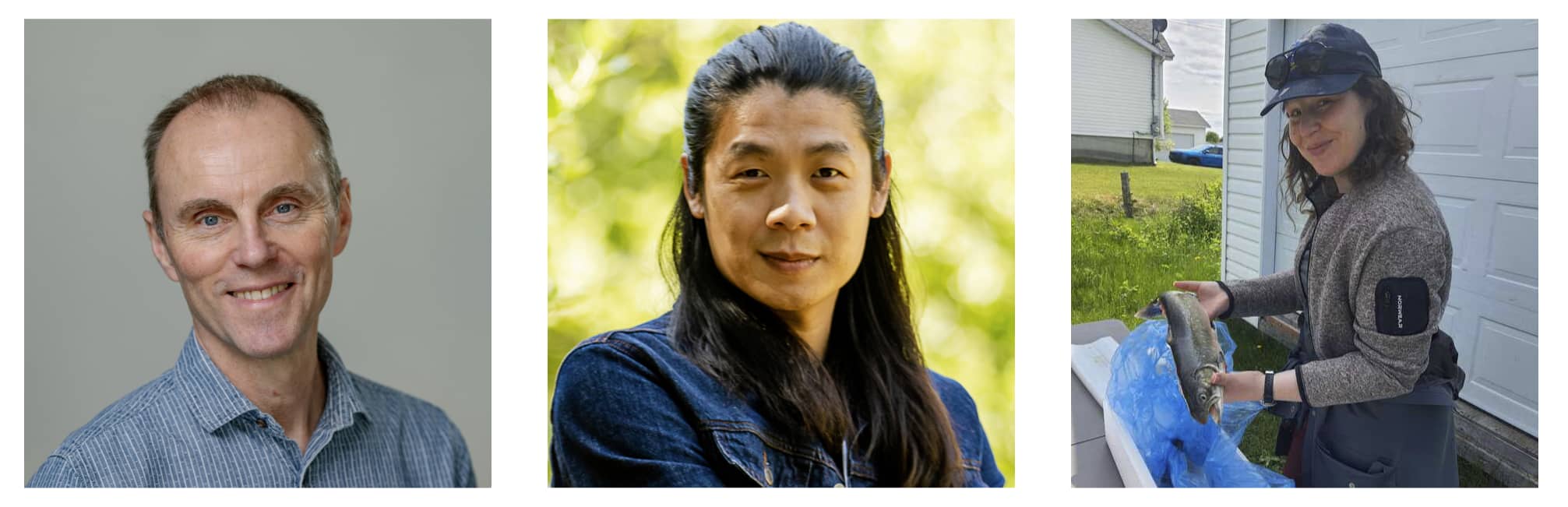
Over the next two days, faculty and staff from Laurier, the University of Toronto and the University of Guelph spoke on the challenges facing discovery and their big ideas to address them:
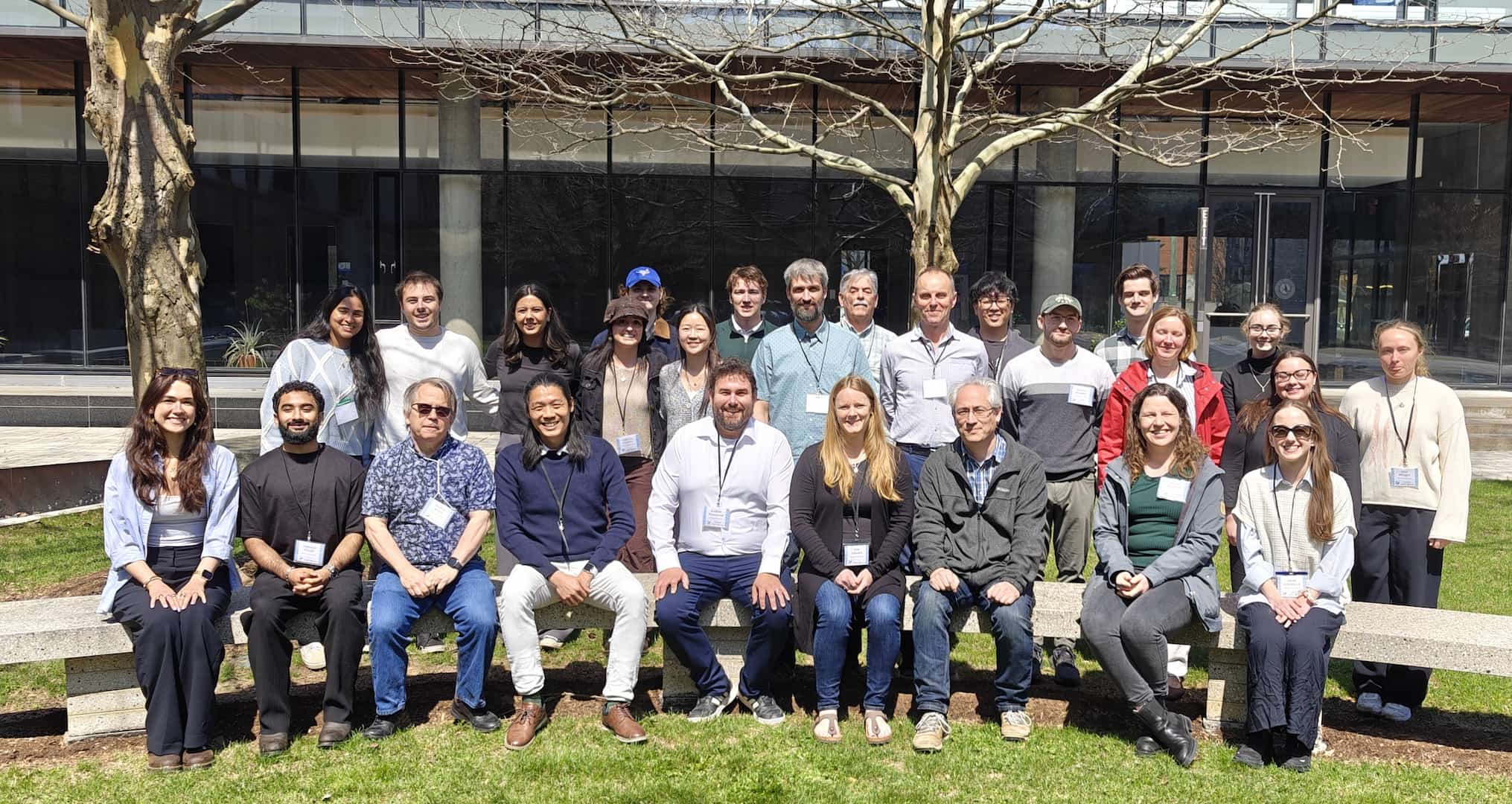
These talks were bookended by keynote speeches from Wilson, who concluded the first day by discussing how gut physiology of marine fish can influence ocean and atmospheric CO2, and opened the second day by discussing how land-based seafood production can occur using recirculating aquaculture systems; Salisbury, who explained how knowledge can be integrated from multiple molecular approaches to support conservation and sustainable aquaculture; and Kwan, who highlighted the importance of knowledge transfer and how one idea can transform global research approaches.
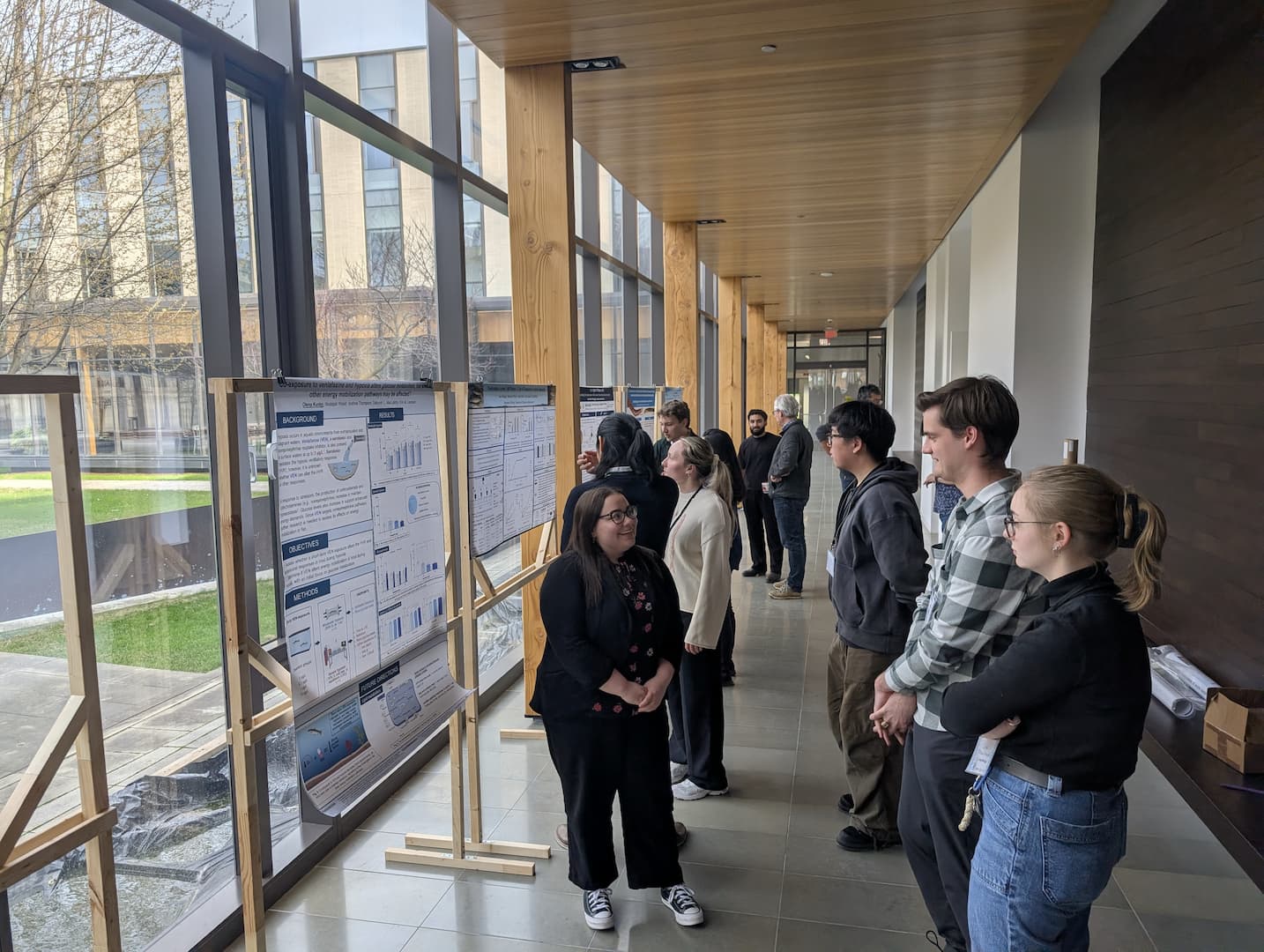
Ideas in Fish Science included long break periods, encouraging student engagement with speakers. A small poster session at the end of the meeting highlighted student research from Laurier to the global audience in attendance. A collaborative brainstorming session gathered all of the principal investigators into the same room, where stimulating discussion and lunch led to a framework for potential grants in the coming year.